Asking children which passwords they actually remember.
Today's school children are required to manage passwords at home and at school — yet they're rarely consulted on how those systems are designed. This study compared graphical and textual passwords with children aged 7–13 to learn which they recall and prefer, designing with them rather than just for them.
Type
Participatory research (class project)
Led by
Greg Walsh · 11 UX students
Role
Interviewer, observer & researcher
Participants
10 children, ages 7–13
The challenge
Children are users too — but rarely co-designers.
For many years, children's roles in the design of technology went largely unexplored. Yet including children in design is essential to understanding them and creating interfaces they genuinely enjoy and can use.
School children today are expected to have passwords for their various devices, at home and at school — security decisions made entirely by adults. This project set out to compare graphical and textual passwords among children aged 7 to 13, to learn which they could quickly recall and which they preferred.
The goal: inform designers and developers of children's technologies about the kind of system login children themselves prefer.
The team
Eleven students, one researcher-led lab, ten young experts.
This was a class project led by Greg Walsh, made up of eleven UX students collaborating directly with ten children — the real experts on what works for them.
I undertook the roles of interviewer, observer, and researcher — talking with the children, watching how they worked, and helping turn what we saw into insight.
Process
Grounded in the literature, led by the children.
We started by learning — about methods, about child development, about keeping young participants safe — then designed sessions that put children at the centre.
1
Literature review
Reviewed academic papers and best practices, and studied qualitative, quantitative, and mixed-methods approaches.
2
Usability, children & safety
Learned about usability with children, child development, and the safety considerations of researching with minors.
3
Pre-test interviews
Interviewed every child first to understand their grasp of passwords, the devices they use them for, and how they create them.
4
Task-based testing
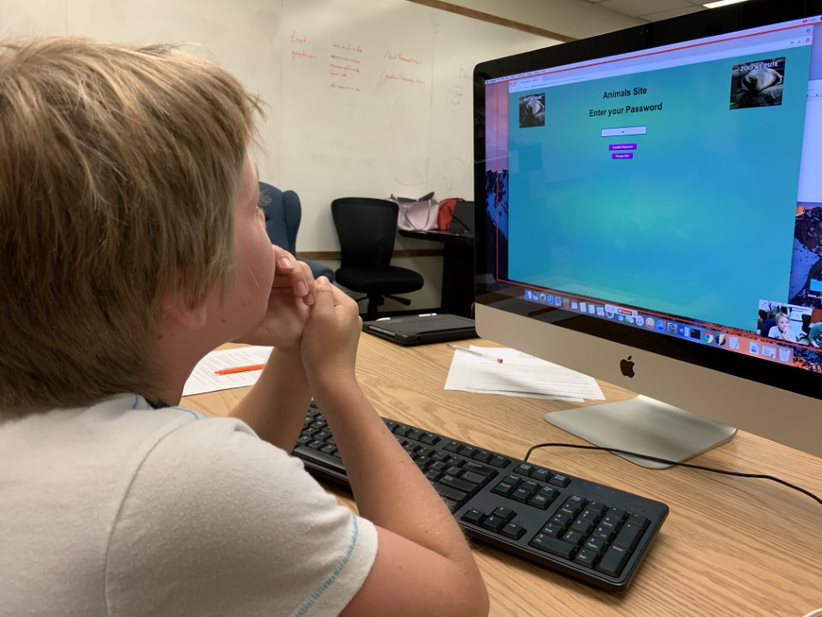
At the Whimsy Lab, each child completed five password-creation tasks on either textual or graphical websites.
5
Design the password of the future
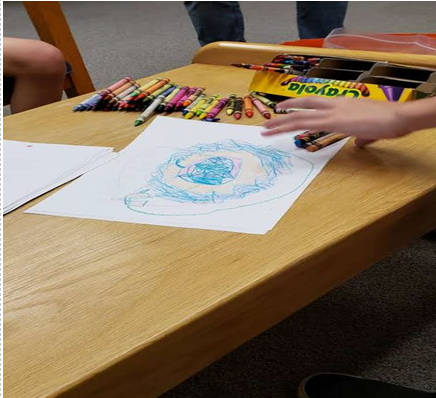
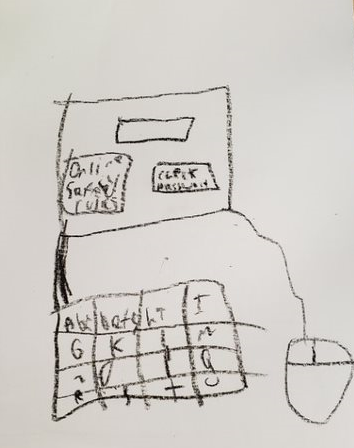
After testing, children moved to a separate space to design their own preferred "password of the future."
10Children (ages 7–13)
5Tasks per child
2Password types compared
11UX students on the team
Working with children at the Whimsy LabChildren-centered session in progress
The comparison
Textual vs. graphical — through a child's memory.
The heart of the study put two password styles side by side, asking the same question of each: can a child create it, recall it, and enjoy using it?
• • • • • • • •
Textual
Typed characters — the adult default, but demanding for young spellers and memories.
vs
Graphical
Images and patterns — potentially easier for children to recognise and recall.
By having children create passwords in both styles — and then design their own ideal login — the study captured not just which performed better, but what children actually want from the systems they're required to use every day.
Children's "password of the future" designs
Why it matters
Designing with children, not just for them.
By treating children as collaborators — interviewing them, observing them, and inviting them to design the password of the future — the study models how children's technology should be built: with the input of the people who use it.
The findings give designers and developers of children's technologies real evidence about the kind of login children find memorable and enjoyable — a small but meaningful step toward security that fits how children actually think.
What I took from it
This project sharpened my commitment to participatory, inclusive research with vulnerable and often-overlooked users. The natural next step is a larger, age-stratified study to quantify recall and preference differences across the 7–13 range and translate them into concrete design guidelines.